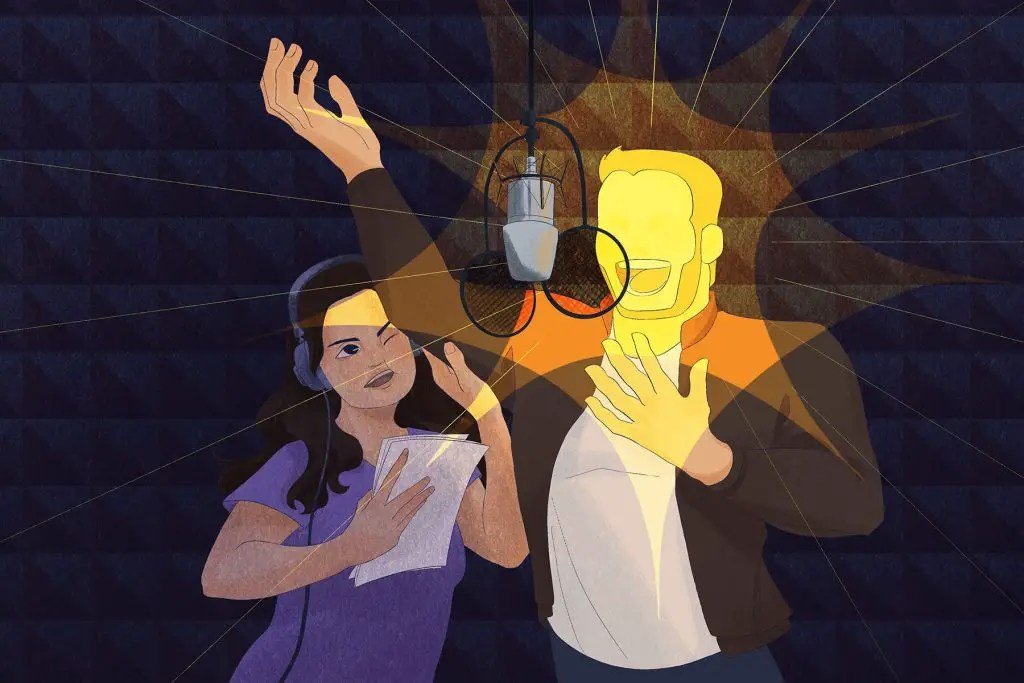
When you think of a truly impactful film character, often it's the mothers who linger in our hearts, shaping the narrative with their strength, flaws, and boundless love. In the vibrant, imaginative universe of Pixar, the profound influence of Voice Actors & Creative Vision Behind Pixar's Mothers is undeniable, elevating these animated figures from mere supporting roles to complex, unforgettable icons. They're more than just characters; they're reflections of our own lives, fears, and triumphs, brought to life by a meticulous blend of artistic vision and unparalleled voice talent.
Pixar, a studio celebrated for its emotional storytelling and groundbreaking animation, has produced 56 titles to date—a staggering catalog that includes 34 movies, 4 shows, and 18 shorts. Across these narratives, over 3,500 voice actors have lent their talents, but it's the specific portrayals of mothers that often spark the most recognition and adoration. These aren't your grandmother's animated matriarchs; they are dynamic forces, wrestling with relatable challenges and embodying a multifaceted view of parenthood that resonates deeply with audiences worldwide.
At a Glance: What Makes Pixar's Mothers So Iconic
- Evolution of Motherhood: Witness how Pixar redefined animated mothers from simple, nurturing figures (Mrs. Davis) to complex, multidimensional characters (Ming Lee).
- Voice Acting as the Soul: Understand how acclaimed actors imbue these characters with authentic emotion, nuance, and relatability, going beyond just reading lines.
- Creative Vision's Depth: Explore the collaborative process of writers, animators, and directors in crafting mothers who balance strength, vulnerability, and personal aspirations.
- Reflecting Real-World Challenges: Discover how these characters tackle societal shifts, from working mothers to intergenerational trauma, making them ultimate parenting goals.
- Practical Parenting Wisdom: Extract valuable lessons on patience, adaptability, and letting go, drawn directly from Pixar's most beloved maternal figures.
The Evolution of Motherhood on Screen: From Supporting Role to Pillar Character
For decades, animated mothers often played a more archetypal role: the comforting presence, the gentle guide, or sometimes, the missing figure that propelled a hero’s journey. Pixar, however, has consistently challenged and expanded this portrayal. Early on, characters like Mrs. Davis from Toy Story offered a warm, supportive presence—a nurturing figure representing unconditional love. She was kind, observant, and deeply cared for Andy, providing a bedrock of warmth that underpinned the entire series. Her presence, while not always central to the plot, was foundational to the emotional landscape of the toys.
As Pixar's storytelling matured, so too did the complexity of its maternal characters. This shift reflects broader societal changes and a greater desire for nuanced representation in media. Today's Pixar mothers are no longer solely defined by their children; they possess their own struggles, ambitions, and even flaws. Consider Ming Lee from Turning Red, a character who juggles cultural expectations, a thriving business, and the tumultuous journey of her pre-teen daughter, Mei. Ming is overprotective, deeply loving, and profoundly complex—a far cry from simpler portrayals. She perfectly embodies the studio's commitment to exploring motherhood as an individual journey, fraught with personal growth and challenges alongside the joys.
Why Pixar Moms Resonate So Deeply
The enduring appeal of Pixar's mothers isn't accidental; it’s meticulously crafted. These characters connect with us because they grapple with real-world challenges that many parents face daily. They embody strength and empowerment, often navigating the tricky balance between their family duties and personal aspirations. Helen Parr, for example, isn't just a superhero; she's a working mom struggling to maintain some semblance of order in a chaotic household, all while trying to keep her own identity intact.
These mothers are deeply loving and value family above all else, yet they are also multidimensional. They aren't perfect. They make mistakes, learn, and grow, showcasing a mix of nurturing tenderness and resolute toughness. This blend of vulnerability and resilience makes them profoundly human and incredibly relatable. Whether it’s Queen Elinor’s initial strictness or Mirabel’s Abuela dealing with generational trauma, these characters offer a mirror to our own family dynamics, fostering a deeper understanding and empathy for the maternal figures in our lives.
Beyond the Script: How Voice Actors Bring Pixar Moms to Life
The magic of animation provides the visual blueprint, but it's the voice actors who truly breathe life into these meticulously crafted characters. For Pixar’s mothers, this task is particularly demanding. They must convey a vast spectrum of emotions—love, frustration, fear, joy, exasperation—often within a single line or even a sigh. This requires not just vocal talent, but a profound understanding of character psychology and emotional intelligence.
The Art of Casting: Finding the Right Voice for Complex Characters
Pixar's casting directors are renowned for their ability to find voices that perfectly fit the character's essence. They aren't always looking for instantly recognizable names, though many A-listers lend their talents. Instead, they seek an authenticity that resonates. Imagine Helen Parr without Holly Hunter's distinctive voice—her quick wit, her rapid-fire delivery, her ability to switch from exasperated mother to determined superhero in a heartbeat. Hunter's performance as Elastigirl is a masterclass in conveying immense capability and intense maternal protectiveness simultaneously. She grounds the fantastical elements of Helen’s life in a reality that feels utterly believable.
Similarly, Emma Thompson's regal yet deeply caring portrayal of Queen Elinor in Brave provides the perfect blend of strict tradition and underlying love. Her voice conveys centuries of royal decorum, yet also the raw fear and eventual understanding of a mother trying to connect with her headstrong daughter. The careful selection of these voice actors is paramount, as their performances lay the emotional foundation for the animated figures they inhabit. The creative vision for these characters is intrinsically tied to the voices chosen to represent them, making the collaboration between animation teams and vocal talent crucial. You can dive deeper into the creation and impact of these figures and many others by exploring All About Pixar Moms.
Mini-Case Study: Helen Parr/Elastigirl – Balancing Supermom and Suburban Legend
When Helen Parr (voiced by Holly Hunter) tells her children, "Your father and I are your biggest fans," you feel the conviction in her voice. When she stretches herself thin, literally and figuratively, to keep her family safe and sane, you hear the weariness, the determination, and the unwavering love. Helen represents the ultimate working mother, constantly balancing the demands of her career (superheroics!) with the equally demanding responsibilities of raising a family. Hunter's performance brings an incredible dynamism to Helen, allowing her to be both formidable and vulnerable, capable and stretched thin. She embodies the challenges many mothers face in trying to "do it all" and doing so with an enduring spirit.
Crafting Emotional Depth: The Creative Vision Behind Iconic Mothers
Beyond the voice, the creative vision of Pixar's writers, directors, and animators shapes these mothers into three-dimensional beings. Every subtle facial expression, every gesture, every line of dialogue is carefully considered to build a character that feels real, despite being animated. This collaborative process allows for the exploration of complex themes, moving beyond simple narratives to delve into the intricate psychology of parenthood.
Mini-Case Study: Queen Elinor (Brave) – A Mother's Journey of Understanding
Queen Elinor, voiced by the incomparable Emma Thompson, initially presents as a formidable, tradition-bound monarch. Her strained relationship with her fiercely independent daughter, Merida, is at the heart of Brave. The creative vision here was to explore the generational clash between a mother who values duty and order, and a daughter who craves freedom and self-determination. Thompson's voice performance captures Elinor's unwavering resolve and deeply felt love, even when she's at odds with Merida. The animation team meticulously designed Elinor's expressive eyes and regal posture, conveying her inner turmoil and her eventual transformation from a strict, unyielding figure to an understanding, adaptable mother. Her arc emphasizes the critical role of communication and acceptance in parent-teen relationships, a powerful message brought to life by both script and performance.
Mini-Case Study: Ming Lee (Turning Red) – The Complexities of Generational Love
Turning Red offered a fresh, vibrant, and incredibly specific portrayal of motherhood through Ming Lee, voiced by Sandra Oh. Ming is a loving mother, but also one who carries the weight of her own family's history and expectations. Her overprotective nature stems from a desire to shield Mei from the very same emotional turmoil she experienced. Sandra Oh's performance is phenomenal, capturing Ming's intensity, her comedic timing, and her deep vulnerability. The creative team bravely depicted a mother who isn't always "likable" in traditional senses but is profoundly relatable. They explored the push and pull of immigrant families, the pressure of cultural legacy, and the intense, sometimes overwhelming, bond between mothers and daughters. Ming's journey is one of learning to trust her child's path, even if it deviates from her own expectations, offering a nuanced look at love, control, and letting go.
Parenting Lessons from the Pixar Playbook
One of the most remarkable aspects of Pixar's mothers is the wealth of valuable parenting lessons they offer. These aren't just entertaining characters; they are mentors in disguise, teaching us profound truths about family, growth, and unconditional love.
- Patience (Queen Elinor): Elinor's journey in Brave is a powerful testament to the importance of patience. Her initial rigid stance on Merida's future clashes spectacularly with her daughter's fiery spirit. It's only through a series of magical mishaps and a forced period of understanding each other's perspectives that Elinor learns to truly listen. This teaches us that patience is not just about waiting; it's about actively striving to understand your child's desires, even when they differ from your own. Fostering better communication requires a willingness to slow down, absorb, and adapt, rather than dictating.
- Adaptability (Helen Parr/Elastigirl): Helen Parr embodies adaptability like no other. Whether she’s stretching herself to rescue civilians or stretching her emotional capacity to manage a rebellious teen and a super-powered infant, Helen is constantly adjusting. Her mantra could easily be "expect the unexpected." This highlights a crucial parenting lesson: life with children is rarely predictable. Adaptability isn't just about problem-solving in a crisis; it’s about accommodating children's evolving needs, their changing interests, and their unpredictable stages of development. It’s about being flexible enough to bend without breaking.
- Letting Go (Mirabel’s Abuela): While the context ground truth mentions "Mirabel's Abuela (Encanto)" which is a Disney Animation Studios film, not Pixar, the principle of "Letting Go" is a profound lesson often explored in Pixar narratives through other characters. For instance, in Finding Nemo, Marlin, initially an overprotective father, eventually learns the critical importance of letting Nemo explore and make his own choices. Similarly, in Toy Story 3, Andy's mom, Mrs. Davis, ultimately lets go of her son as he heads to college, trusting him to embark on his own journey. The essence is that true love involves trusting children to navigate their own paths, allowing them the space for personal growth, even if it means stepping back and watching them stumble occasionally. It's a challenging but essential step in empowering them to become independent individuals.
The Wider Family Album: Other Unforgettable Pixar Mothers
While Elastigirl, Queen Elinor, and Ming Lee often steal the spotlight, Pixar's universe is populated with many other compelling maternal figures who, in their own ways, contribute to the studio's rich tapestry of family stories.
Ellie from Up, though glimpsed mostly in flashbacks, is a vibrant, adventurous spirit whose love for Carl and dreams of adventure form the emotional core of one of Pixar’s most celebrated films. Her spirit continues to guide Carl long after her passing, illustrating the enduring impact of a mother's influence. While not a mother in the traditional sense, her nurturing spirit towards Carl and her boundless enthusiasm make her a foundational matriarchal figure.
Mrs. Davis from Toy Story remains a powerful example of quiet, consistent love. Her support for Andy, her patience, and her eventual decision to let go of his beloved toys as he matured, underscore a selfless form of motherhood that is often overlooked but profoundly important. She represents the everyday heroism of parental love.
These characters, whether central to the plot or more subtly integrated, collectively reinforce Pixar's profound understanding that mothers are not just plot devices but fully realized individuals whose journeys are as significant as any hero's quest.
Demystifying the Magic: Common Questions About Pixar's Creative Process
How are voice actors chosen for such specific roles?
The process is exhaustive and collaborative. Casting directors work closely with the film's director, writers, and animators. They often start with a "scratch track" using internal staff to get a feel for the character's voice and timing. Then, they audition a wide range of professional voice actors and often well-known celebrities, not just for their star power, but for their ability to bring a unique dimension to the character. The goal is always to find a voice that not only sounds right but feels right, embodying the emotional core the creative team has envisioned.
Do voice actors influence the character's development?
Absolutely. While the core creative vision comes from the writers and director, voice actors are instrumental collaborators. During recording sessions, directors often encourage improvisation and experimentation. An actor's delivery of a line, a specific laugh, or an unexpected emotional inflection can directly inspire animators to adjust character expressions, gestures, or even plot points. For instance, Holly Hunter’s take on Helen Parr helped define Elastigirl's sharp wit and formidable resolve, influencing how animators depicted her physical strength and emotional resilience. It's a true synergy between performance and animation.
How does Pixar balance universal themes with specific cultural portrayals?
This is a hallmark of Pixar's success. The studio invests heavily in research, often forming cultural trust groups and working with consultants to ensure authentic representation. For Turning Red, for example, a team worked extensively to understand early 2000s Toronto Chinese-Canadian culture. By rooting stories in specific, richly detailed cultural contexts, they paradoxically achieve greater universality. Audiences from all backgrounds can connect with the core emotions—like a mother's protectiveness or a teenager's desire for independence—even if the cultural trappings are unfamiliar. This approach makes their mothers resonate on a global scale.
From Sketchpad to Screen: The Collaborative Journey
The journey of a Pixar mother from an initial concept to a beloved character on screen is a testament to extraordinary collaboration. It begins with a writer's vision, often inspired by personal experiences or observations. This vision is then shaped by the director, who provides the overarching narrative and emotional tone. Animators meticulously craft every nuance of expression and movement, making sure the character's actions align with their personality.
But it's in the recording booth where the character truly finds its voice. The voice actor, guided by the director, brings layers of emotion, humor, and vulnerability that might not even have been fully captured on the page. This performance, in turn, informs the animators, who might refine gestures or facial expressions to perfectly match the vocal delivery. This iterative process, where each department builds upon the work of the others, is what gives Pixar's mothers their unparalleled depth and authenticity. They are not just drawings or voices; they are living, breathing characters capable of inspiring, challenging, and profoundly moving us.
Your Next Dive into the World of Pixar Moms
The enduring legacy of Pixar's mothers isn't just in their box office success or critical acclaim; it's in the conversations they spark and the empathy they cultivate. From Helen Parr’s indefatigable spirit to Queen Elinor’s journey of acceptance and Ming Lee's fierce, complicated love, these characters offer a rich tapestry of maternal experiences. They remind us that motherhood is a journey of constant adaptation, endless love, and profound personal growth—for both mother and child.
Next time you watch a Pixar film, pay closer attention to these incredible women. Listen for the subtle inflections in their voices, observe the minute details in their animation, and reflect on the powerful creative vision that brought them to life. You’ll find not just entertainment, but a deeper understanding of the most universal and transformative relationships known to humanity.