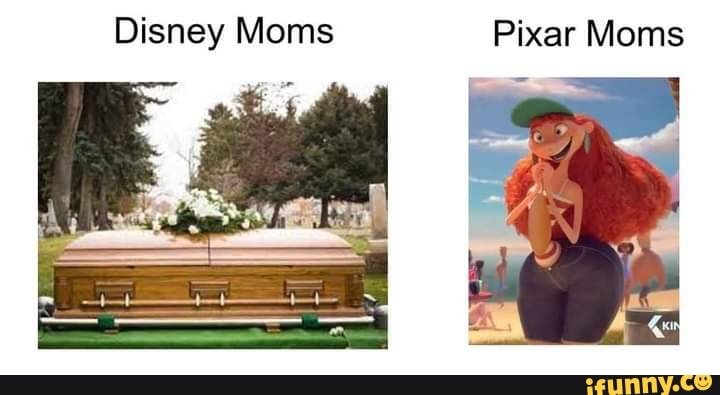
Every parent knows the feeling: that chaotic, beautiful dance of juggling responsibilities, nurturing dreams, and occasionally feeling like you might just stretch yourself a little too thin. It's this profound human experience, with all its messy glory, that Pixar so masterfully captures through its extraordinary roster of mothers. Far from one-dimensional figures, the Relatability & Audience Connection to Pixar Moms isn't just a marketing success; it's a testament to how deeply their struggles and triumphs reflect our own lives, evolving from simpler portrayals to complex, multidimensional characters who resonate across generations.
At a Glance: Why Pixar Moms Hit So Close to Home
- Evolving Portrayals: From supportive background figures to leading ladies with their own complex arcs, Pixar moms mirror societal shifts in recognizing women beyond just their maternal roles.
- Deeply Relatable Flaws: These aren't perfect parents; they grapple with work-life balance, generational gaps, and personal aspirations, making their journeys profoundly human.
- Powerful Role Models: They demonstrate strength, adaptability, and unwavering love, challenging traditional gender norms and offering a broader, more inclusive view of motherhood.
- Timeless Parenting Lessons: Their stories impart crucial wisdom on patience, flexibility, and the courage to let go, lessons applicable to every family.
- Sparking Dialogue: Pixar's portrayal of moms encourages essential conversations about family dynamics, female empowerment, and the ever-changing landscape of modern parenting.
The Ever-Expanding Definition of Motherhood: A Pixar Evolution
Think back to Mrs. Davis in Toy Story. She’s the quintessential nurturing figure, a warm presence who packs lunches and drives cars, her world revolving around Andy. She evokes a sweet nostalgia for a specific kind of maternal love. Fast forward to Ming Lee in Turning Red, a character so vibrant and complex, she almost steals the show. Ming isn't just a mom; she's a woman grappling with her own history, her cultural expectations, and her fierce, sometimes overbearing, love for her daughter, Mei.
This isn't a coincidence. Pixar's evolution in depicting mothers mirrors a larger cultural shift. We’ve moved past seeing mothers solely as caretakers, recognizing them as individuals with their own dreams, dilemmas, and — crucially — their own flaws. The power of these portrayals lies in their authenticity; they show us that being a great mom doesn't mean being perfect, but rather being human, adaptable, and endlessly loving.
Meet the Matriarchs: Why Pixar Moms Resonate Deeply
What makes a character stick with you? Often, it’s their capacity to reflect your own experiences, even in fantastical settings. Pixar's moms, whether they're battling supervillains or family traditions, tap into universal truths about parenting and personhood.
Helen Parr (Elastigirl): The Ultimate Juggler
If there’s one Pixar mom who truly embodies the modern woman's struggle, it's Helen Parr. As Elastigirl, she's a superhero, but as Helen, she’s a mom trying to keep her chaotic family together, navigate a challenging marriage, and sometimes, just sometimes, remember her own identity beyond "Mom."
She’s smart, strong, and incredibly resourceful, literally stretching herself to meet everyone's needs. We see her pivot from domestic duties to international espionage without missing a beat, all while worrying about her kids. This duality resonates profoundly with working mothers everywhere who are constantly mastering the art of work-life balance, proving that you can be powerful, ambitious, and an incredible parent all at once. Her story inspires women to embrace multiple roles, reminding us that strength isn't just physical; it's also found in adaptability and intelligence.
Queen Elinor (Brave): Bridging the Generational Divide
Queen Elinor’s transformation in Brave is a masterclass in the complexities of the parent-teen relationship. At first, she's rigid, focused on tradition and societal expectations for her daughter, Merida. She believes she knows what's best, and her inability to truly listen creates a chasm between them.
Her journey, quite literally turning into a bear, forces her to walk in Merida's shoes, leading to a profound understanding and acceptance of her daughter's individuality. Elinor teaches us about the struggle between tradition and progress, the importance of communication, and the ultimate reward of supporting a child’s unique path, even if it diverges from your own expectations. It’s a powerful narrative about finding common ground and rebuilding trust.
Abuela Alma (Encanto): Healing the Wounds of the Past
While technically a grandmother, Mirabel’s Abuela in Encanto serves as a poignant representation of the maternal figure grappling with generational trauma. Her strictness, born from past loss and a desperate need to protect her family, inadvertently creates new wounds.
Abuela Alma's arc is about the immense courage it takes to confront one's own fears, acknowledge past mistakes, and understand that sometimes, "letting go" is the most powerful act of love. She learns to trust her children and grandchildren to forge their own paths, demonstrating the complexities of generational healing and bridging generational gaps through empathy and genuine connection. Her story is a testament to the power of breaking cycles and embracing a future built on understanding rather than fear.
Mrs. Davis (Toy Story): The Comfort of Classic Nurturing
In contrast to the more complex arcs, Mrs. Davis provides that warm, comforting anchor. She represents the classic nurturing and supportive mother figure, quietly providing a stable home for Andy and later, Bonnie. While not a central character in terms of a personal journey, her presence reminds us of the foundational love that shapes childhood. Her relatability lies in the universal experience of a mother’s unwavering care, evoking warmth and nostalgia for simpler times.
Sally Carrera (Cars): The Unconventional Path
Sally Carrera, in her own unique way, offers an earlier depiction of a strong female character who challenges conventional nurturing roles. As a former high-powered lawyer who found her purpose revitalizing a small town, she's brave, independent, and determined. While not a biological mother, she embodies a protective, community-building spirit for Radiator Springs, offering wisdom and a steadying influence. Her character broadens the definition of what a "maternal" figure can be, focusing on leadership and self-determination.
The Unpacking: Core Parenting Lessons from Pixar's Best
Beyond entertaining us, Pixar moms deliver profound lessons that resonate in the real world. These aren't just movie moments; they're actionable insights into navigating common parenting challenges and fostering stronger family bonds.
Patience: The Art of Truly Listening
Queen Elinor’s initial impatience and insistence on tradition nearly ruined her relationship with Merida. Her ultimate lesson? True connection blossoms when you pause, listen, and seek to understand your child's desires and struggles. This means stepping back from assumptions and allowing space for their voice. It's about recognizing that your children are individuals, not extensions of your own ambitions.
Adaptability: Embracing the Unexpected Journey
Helen Parr's life is a masterclass in flexibility. Whether she’s stretching across a chasm or stretching her patience, she consistently adapts to unexpected challenges and her children's evolving needs. Life, and especially parenting, rarely goes according to plan. Helen teaches us that embracing flexibility, creatively problem-solving, and being resilient in the face of chaos are not just survival skills but essential traits for thriving as a parent. Her ability to juggle her personal aspirations with family responsibilities exemplifies the constant balancing act many parents face when navigating common parenting challenges.
Letting Go: Trusting the Path Ahead
Abuela Alma's journey powerfully illustrates the importance of allowing loved ones to grow, even if it means stepping out of their perceived protective control. It's about trusting your children to make their own choices, to learn from their mistakes, and to find their own well-being. This can be one of the hardest lessons for a parent: the courage to release control and allow for independent exploration, knowing that true love means empowering them to be themselves.
Beyond the Screen: Pixar Moms and Their Real-World Impact
The influence of these characters extends far beyond the popcorn and the credits. Pixar's depiction of motherhood has had a profound impact on viewers, challenging traditional gender norms and reshaping societal perceptions of women.
These aren't just mothers; they are complex women who are protagonists in their own right. They are intelligent, brave, flawed, and deeply loving. This multidimensionality provides strong, independent female role models for audiences of all ages, inspiring girls to dream big and showing boys a more equitable view of female strength and capability. Strong female role models in film are crucial for shaping future generations, and Pixar delivers in spades.
Their stories encourage positive dialogue about modern motherhood, diverse family dynamics, and female empowerment. They offer a nuanced view that celebrates both the challenges and the immense joys of raising a family, contributing to a more inclusive narrative that acknowledges the full spectrum of a woman's life.
Addressing Common Questions About Pixar's Portrayals
You might wonder if Pixar's moms are sometimes too idealized, or if they represent everyone. Let's tackle a couple of those thoughts head-on.
Are Pixar moms too perfect?
Absolutely not. The beauty of characters like Helen Parr, Queen Elinor, or Abuela Alma is precisely their imperfections. Helen often feels overwhelmed and struggles to connect with her son Dash; Elinor is initially stubborn and misunderstands Merida; Abuela Alma carries the burden of her past, leading to control issues. These flaws are what make them so relatable and their growth so impactful. They show us that it’s okay to stumble, to make mistakes, and to learn alongside your children.
Do they represent all mothers?
No single character can represent the infinite diversity of maternal experiences. However, Pixar consistently strives for broader representation and depth. From the classic nurturing of Mrs. Davis to the cultural complexities of Ming Lee, the resilience of Helen Parr, or the generational wisdom of Abuela Alma, the spectrum is expanding. While there's always room for more, their collection of moms moves beyond stereotypes to capture universal themes of love, struggle, and growth that resonate broadly, reflecting various facets of modern motherhood.
The Enduring Legacy: Why These Stories Matter
The relatability and audience connection to Pixar moms isn't accidental; it's a deliberate, thoughtful exploration of what it means to be a mother in a world that is constantly changing. These characters aren't just entertaining; they’re reflections of ourselves—our hopes, our fears, our aspirations, and our unconditional love.
They remind us that parenthood is a journey of continuous learning, empathy, and remarkable resilience. By allowing us to see ourselves in their struggles and triumphs, Pixar moms validate our experiences, offer hope, and teach us profound lessons about what truly matters. They empower us to embrace our roles with courage, adaptability, and an open heart, making them not just cinematic heroes, but guides in our own lives.
To dive deeper into the powerful women who shape these animated worlds, you can always Learn more about Pixar Moms. Their stories are a rich tapestry, offering something new with every viewing.