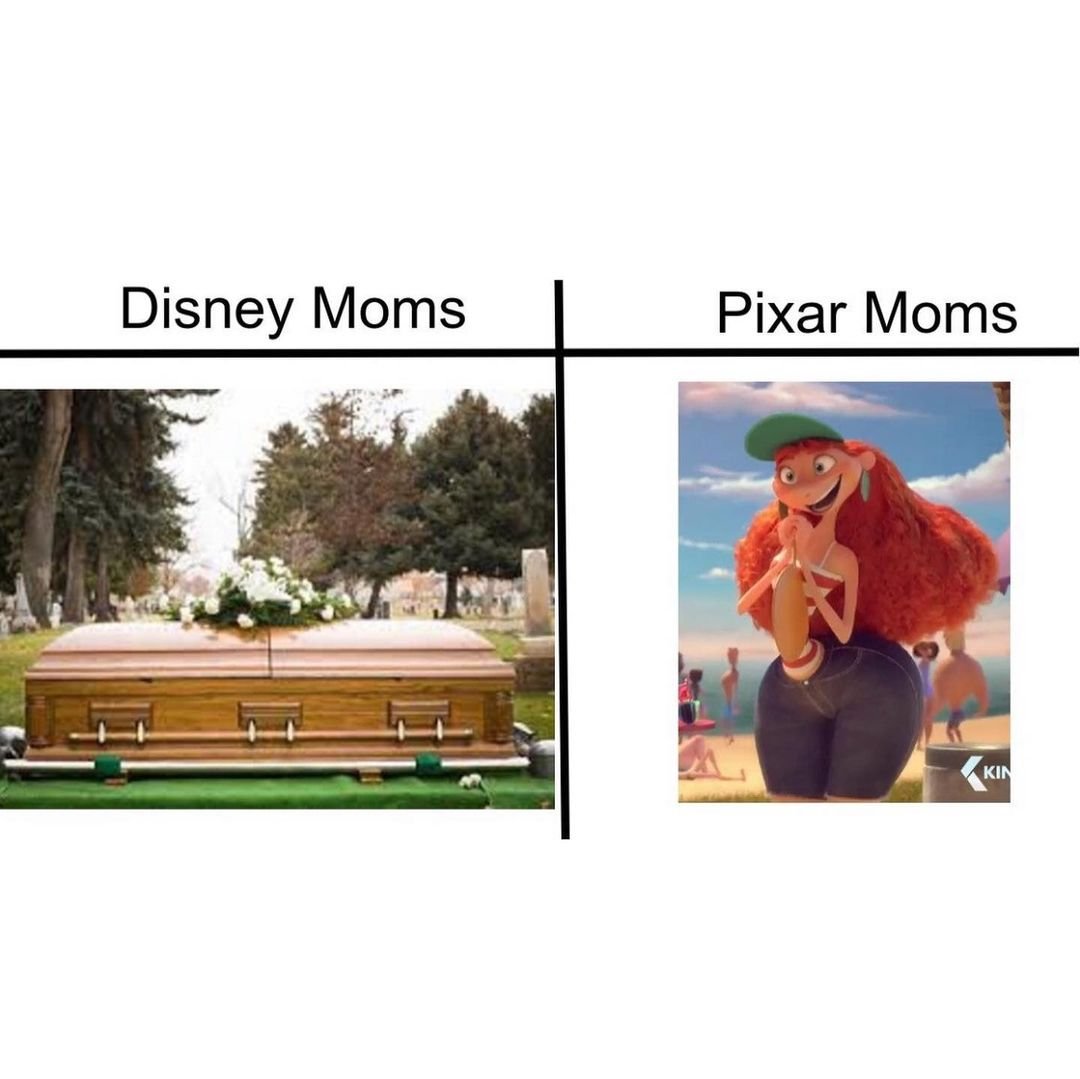
When you think of the most iconic figures shaping our understanding of modern parenting, don't be surprised if your mind quickly conjures a certain super-mom in an orange suit, a stoic Scottish queen, or even a grandma whose love transcends generations. Pixar, the undisputed master of animated storytelling, has done more than just entertain us; it has profoundly shaped the cultural impact and pop culture status of Pixar Moms, turning them into beloved figures who resonate deeply with audiences worldwide. These characters aren't just caricatures; they're reflections of our evolving society, celebrating the triumphs, complexities, and fierce love inherent in motherhood.
From the quiet strength of Mrs. Davis to the vibrant, multifaceted persona of Ming Lee, Pixar has meticulously crafted a pantheon of maternal figures who defy simple stereotypes. They’ve given us heroes, mentors, protectors, and even flawed individuals, each painting a vital stroke in the broader canvas of cinematic motherhood. This isn't just about cartoons; it's about how these animated women have influenced real-world conversations on everything from work-life balance to body positivity.
At a Glance: Why Pixar Moms Matter
- Evolved Portrayals: Moving beyond one-dimensional figures to show complex, relatable mothers with their own struggles and ambitions.
- Distinctive Design: Groundbreaking animation technology brings unique, expressive characters to life.
- Diverse Archetypes: Representing working moms, single moms, grandmothers, and various cultural backgrounds.
- Parenting Role Models: Offering valuable lessons in patience, adaptability, and the art of letting go.
- Pop Culture Icons: Inspiring memes, fan art, and widespread discussions on representation and societal shifts.
- Lasting Legacy: Influencing future character design, storytelling, and cultural conversations about family dynamics.
The Journey of Motherhood On-Screen: From Simplicity to Complexity
The evolution of Pixar moms mirrors our own societal shifts, reflecting a deeper understanding of what it truly means to be a mother. Early on, characters like Mrs. Davis from Toy Story embodied a classic, supportive nurturing figure. She was kind, a safe haven, and her presence was a comforting constant for Andy, evoking a nostalgic sense of childhood security. Her role, while crucial, was more archetypal.
Fast forward to characters like Ming Lee in Turning Red, and you see a monumental leap. Ming is a whirlwind of overprotective love, cultural expectations, and personal anxieties, grappling with her daughter's burgeoning independence and a magical family legacy. She’s not just supportive; she's flawed, she's ambitious, and she undergoes a significant journey of self-discovery alongside her daughter. This shift isn't accidental. It’s a deliberate move by Pixar to showcase motherhood with a richer, more nuanced understanding, including its inherent struggles, the mother’s own ambitions, and the uncomfortable, yet essential, imperfections that make a character real.
These modern portrayals resonate because they reflect the multifaceted pressures and joys of contemporary parenting. They're not just figures in the background; they are protagonists in their own right, driving narratives and offering profound insights into the parent-child bond. If you're curious to dive deeper into all the incredible mothers Pixar has brought to life, you can explore All About Pixar Moms to get the full picture.
The Art and Science Behind the Magic: Designing a Pixar Mom
What makes a Pixar mom instantly recognizable and emotionally resonant? It’s a powerful blend of artistic vision and technological innovation. Their distinctive design aesthetic is a cornerstone of their appeal, featuring several key elements:
- Expressive Faces: Pixar characters are renowned for their ability to convey a vast range of emotions with subtle facial cues. From the worry lines on Riley's mom's face to Helen Parr's determined gaze, these expressions are crucial for forging emotional connections.
- Unique Silhouettes: Each Pixar mom possesses a distinct visual identity, even in silhouette. Think of Elastigirl's flexible, elongated form or Queen Elinor's regal, imposing figure. These unique shapes immediately communicate personality and role.
- Memorable Personalities: The animation enhances, rather than dictates, their already well-developed personalities. Their movements, gestures, and reactions are meticulously crafted to reflect their inner lives.
- Movement That Tells a Story: Advancements in animation technology have been pivotal. From the early basic 3D modeling of characters in the '90s to today’s sophisticated realistic physics simulation, complex rigging, and detailed facial expression systems, every twitch and stride adds depth. Helen Parr’s stretching abilities wouldn't feel so real without intricate physics simulation, and Mama Coco’s delicate movements speak volumes about her age and wisdom thanks to advanced rigging.
This combination ensures that Pixar moms don't just look good; they feel real, allowing audiences to connect with their journeys on a visceral level.
Meet the Icons: Unpacking Key Pixar Moms
Pixar has given us a diverse gallery of mothers, each leaving an indelible mark on animation and culture. Their significance lies in the specific aspects of motherhood they highlight:
- Helen Parr / Elastigirl (The Incredibles): The quintessential working mother, Helen perfectly embodies the struggle of balancing a demanding career (saving the world, no less!) with the often-chaotic demands of raising a family. She's strong, adaptable, and fiercely protective, proving that being a superhero and a mom aren't mutually exclusive roles. Her character sparked widespread admiration for her ability to "do it all," albeit with tremendous effort.
- Queen Elinor (Brave): Elinor's journey from a strict, traditional monarch to an understanding, accepting mother is a powerful reflection of real-world parent-teen struggles. Her conflict with Merida over destiny and tradition, culminating in a magical transformation, emphasizes the critical need for communication, empathy, and acceptance within families. While depicted as having a husband, she often carries the primary emotional weight of parenting challenges, sometimes seen as a de facto single mom navigating complex family dynamics.
- Mrs. Davis (Toy Story): Though not always front and center, Mrs. Davis is the supportive, nurturing classic mother figure who anchors the Toy Story universe. She represents the comforting, steady presence of a loving parent, evoking deep nostalgia for childhood and the bittersweet passage of time as children grow up and move on.
- Mirabel’s Abuela Alma (Encanto): While technically a grandmother, Abuela Alma serves as the matriarch and the central maternal figure of the Madrigal family. Her character powerfully symbolizes generational trauma, the weight of expectations, and the importance of family healing. Her journey toward understanding and love is a testament to the fact that even those in positions of authority can learn and grow, ultimately fostering a more loving and accepting family environment through understanding. The depth of her character has led to significant discussions around family dynamics.
- Riley’s Mom (Inside Out): Offering one of the most realistic and subtle portrayals of modern motherhood, Riley’s mom (Jill Andersen) navigates everyday struggles with quiet strength. Her emotional depth, often conveyed through subtle expressions and reactions, captures the myriad micro-emotions that mothers experience daily, from concern and empathy to occasional frustration, making her incredibly relatable to parents facing their own daily challenges.
- Mama Coco (Coco): A heartwarming elderly matriarch, Mama Coco is the emotional core of her story. She embodies cultural authenticity, serving as a vital link to family history, memory, and the enduring power of love across generations. Her gentle presence and profound emotional impact highlight the invaluable role of elders in family structure and cultural heritage.
These characters are not just memorable; they are fundamental to understanding the breadth of motherhood Pixar portrays, inspiring conversations and reflections on family roles and individual strengths.
Why They Resonate: The Power of Flawed, Empowered Motherhood
The enduring appeal of Pixar moms stems from their depiction as strong, empowered, yet undeniably flawed and real individuals. They aren't perfect; they face challenges, make mistakes, and, most importantly, demonstrate growth. This authenticity is crucial to their relatability.
- Strength and Vulnerability: Whether it’s Helen Parr literally stretching herself thin for her family or Queen Elinor wrestling with her own rigid beliefs, these mothers show immense strength, but also moments of vulnerability. This balance makes them human.
- Growth and Adaptability: They are not static characters. Their journeys involve significant personal development, often learning alongside their children. This dynamic portrayal teaches audiences that growth is a lifelong process, for both parents and children.
- Unconditional Love and Family Values: At their core, Pixar moms are deeply loving and fiercely dedicated to their families. They prioritize family, even when it means personal sacrifice or confronting difficult truths.
- Multidimensional Identities: Crucially, these women are not just mothers. They have their own dreams, ambitions, and identities beyond their maternal roles. Helen Parr wants to be a superhero; Queen Elinor is a monarch; Ming Lee is a successful businesswoman. This highlights the importance of recognizing a mother's individual personhood, fostering discussions about women's roles in and outside the home.
Their multifaceted nature allows audiences to see pieces of themselves, their mothers, or their aspirations reflected on screen, forging powerful emotional connections that last long after the credits roll. For a comprehensive overview of how these characters have shaped our perspective, consider exploring All About Pixar Moms.
The Parenting Playbook: Valuable Lessons from Pixar's Best
Beyond entertainment, Pixar moms offer practical, resonant parenting lessons that transcend the animated screen. Their struggles and triumphs provide frameworks for understanding and navigating real-world family dynamics.
- Patience and Understanding (Queen Elinor): Queen Elinor’s arc in Brave is a masterclass in the importance of patience and understanding children's unique desires and differences. Initially rigid and focused on tradition, her magical journey with Merida forces her to truly listen and see her daughter for who she is, not who she expects her to be. This lesson underscores that fostering better communication often begins with slowing down and accepting individuality, even when it challenges your own worldview.
- Adaptability and Flexibility (Helen Parr): Helen Parr, as Elastigirl, is the embodiment of adaptability. Juggling superheroics with homework, dinner, and teenage angst demands incredible flexibility. Her character teaches parents that life rarely goes according to plan, and being able to pivot, problem-solve on the fly, and accommodate changing needs is crucial for maintaining both family harmony and personal sanity. Sometimes, you just have to stretch yourself a little further.
- The Art of Letting Go (Mirabel’s Abuela Alma): Abuela Alma’s profound journey in Encanto is about learning to trust her children and grandchildren to make their own choices, even if it means stepping back from her ingrained need for control. Her realization that her protective instincts, born from trauma, were actually stifling her family’s growth, is a powerful reminder for parents: eventually, you must trust your children to find their own path and allow them the space to grow, even if it means watching them stumble. It's about empowering them, not controlling them.
These aren't just fictional scenarios; they're relatable struggles and triumphs that offer profound guidance for parents navigating their own family sagas.
Beyond the Screen: Pixar Moms in Pop Culture
The cultural impact of Pixar moms extends far beyond the movie theater. They have become genuine pop culture phenomena, sparking widespread engagement and discussion across various platforms.
- Viral Memes and Fan Art: Their distinctive looks and memorable lines have made them perfect fodder for viral memes, often used to humorously or poignantly comment on real-life parenting scenarios. Fan art, ranging from realistic portraits to imaginative crossovers, celebrates their strength, beauty, and emotional depth, showcasing their enduring appeal.
- Social Media Trends: Discussions about Pixar moms frequently trend on social media, with fans debating their parenting styles, identifying with their struggles, or celebrating their triumphs. Hashtags and challenge trends often revolve around mimicking their iconic moments or discussing their impact.
- Widespread Discussions: Their presence has ignited crucial conversations:
- Body Representation: Characters like Helen Parr, with her strong, athletic physique, or Ming Lee, with her realistic body shape, challenge traditional, often unrealistic, beauty standards in animation. This encourages discussions about diverse body types and healthy representation.
- Character Development: Analysts and fans alike praise the sophisticated character development of Pixar moms, using them as benchmarks for what strong, complex female characters, particularly mothers, should look like in media.
- Cultural Beauty Standards: Characters like Mama Coco and Abuela Alma introduce diverse cultural beauty standards, celebrating age, heritage, and non-Eurocentric aesthetics, broadening the scope of what is considered beautiful and heroic in animated storytelling.
These characters don't just exist in their films; they live on in the collective consciousness, influencing how we talk about family, gender roles, and representation in media.
A Tapestry of Motherhood: Diversity and Representation
One of Pixar's most significant contributions is its illustration that there is no single "right" way to be a mother. The spectrum of Pixar moms showcases incredible diversity in their roles, backgrounds, and parenting styles.
- Working Mothers: Helen Parr is the prime example, masterfully demonstrating the juggling act.
- Stay-at-Home Mothers: While perhaps less explicitly defined in modern roles, the essence of supportive, home-centric motherhood still resonates through characters like Mrs. Davis.
- Single Mothers: Although often within the context of larger family units, characters like Queen Elinor (in her practical single-mindedness) or even Abuela Alma (carrying the weight of her family without a direct partner) embody aspects of the singular responsibility.
- Grandmothers: Mama Coco and Abuela Alma highlight the invaluable role of matriarchs, preserving heritage, offering wisdom, and being emotional anchors for their families.
- Cultural Backgrounds: From the Scottish highlands (Elinor) to Mexican traditions (Mama Coco) and Chinese-Canadian experiences (Ming Lee), Pixar moms represent a rich tapestry of cultural identities, offering a broader and more inclusive view of global motherhood.
This comprehensive approach allows audiences from all walks of life to find a piece of themselves or their own family dynamic reflected on screen, reinforcing the idea that motherhood is a universal experience, yet wonderfully diverse in its expression. To get a closer look at the nuances of each, check out All About Pixar Moms.
Shaping the Future: Pixar Moms' Legacy in Animation and Beyond
The indelible mark left by Pixar moms extends far beyond their individual films. They have fundamentally influenced the animation industry and broader cultural conversations, setting new benchmarks for storytelling and character design.
- Influence on Character Design Trends: Pixar moms have pushed the envelope for what female characters, especially mothers, can look like. Their designs emphasize strength, realism, and unique features over idealized, often impractical, aesthetics. This has inspired other studios to create more diverse and realistic female characters.
- Storytelling Approaches: The complex narratives woven around Pixar moms, exploring their ambitions, flaws, and personal growth, have demonstrated the power of giving maternal figures central, dynamic roles. This has encouraged more nuanced and sophisticated storytelling in family-oriented animation, moving beyond simplistic damsels or one-dimensional caregivers.
- Broader Cultural Conversations: As discussed, these characters have spurred vital dialogues about representation, body image, and the intricate dynamics of modern families. They’ve helped normalize discussions about working mothers, intergenerational trauma, and cultural identity in popular media.
- Future Character Design: Looking ahead, we can expect to see an even greater emphasis on diversity in body types, cultural representation, and complex family dynamics in animated characters, directly influenced by the path Pixar has forged. The industry is increasingly recognizing the demand for authenticity and relatability, and Pixar moms are a testament to that success.
Their legacy is a testament to the power of thoughtful character creation—characters that not only entertain but also enlighten, provoke thought, and contribute meaningfully to the cultural landscape.
Debunking Common Misconceptions About Animated Motherhood
It’s easy to simplify animated characters, but Pixar moms often defy easy labels. Let’s clear up a few common misunderstandings.
Misconception #1: Pixar Moms are Always Perfect Role Models.
Reality: While they often embody aspirational qualities, Pixar moms are explicitly shown to be flawed. Queen Elinor is stubborn, Ming Lee is overbearing, and Helen Parr struggles with over-control. Their imperfections are precisely what make them relatable and their growth arcs so compelling. They're not perfect; they're real, illustrating that good parenting isn't about flawlessness, but about effort, love, and continuous learning.
Misconception #2: Their Struggles are Overdramatized for Entertainment.
Reality: While cinematic, the emotional struggles of Pixar moms often mirror very real challenges faced by parents: balancing work and family, communicating with rebellious teens, dealing with generational expectations, or simply managing the emotional roller coaster of raising children. The fantastical elements often serve as metaphors for these deeply human experiences, making them accessible and understandable rather than mere exaggerations.
Misconception #3: Their Primary Purpose is to Support the Child Character's Story.
Reality: While they certainly support their children, many Pixar moms are central protagonists with their own distinct journeys, motivations, and character development. Helen Parr, Queen Elinor, and Ming Lee are prime examples of mothers whose personal arcs are just as significant as, if not more central than, their children's. Their stories are about their own growth, independent of their kids. To delve deeper into these nuanced portrayals, make sure to explore All About Pixar Moms.
The Enduring Embrace: What Pixar Moms Teach Us About Connection
The cultural impact and pop culture status of Pixar moms is a powerful reminder that animation isn't just for children; it's a profound medium for exploring the most complex and universal human experiences. These characters have moved beyond the screen to become symbols of resilience, love, and the beautiful messiness of family life. They remind us that motherhood is a journey of constant adaptation, endless love, and continuous self-discovery.
As storytellers continue to push boundaries, we can anticipate even more diverse and compelling maternal figures in animation, building on the foundation Pixar has so brilliantly laid. These aren't just characters; they are mirrors reflecting our society, our families, and the incredible, multifaceted individuals who embrace the challenging, yet deeply rewarding, role of "mom." Their stories will continue to inspire, provoke thought, and most importantly, foster empathy and connection across generations. For more insightful articles on related topics, remember to visit All About Pixar Moms.